Recovery from oral surgery starts with knowing what to put on your plate. Soft foods to eat after oral surgery help protect your healing tissues, reduce discomfort, and speed up your return to normal eating. At Massanutten Dental Team and Oral Surgery in Rockingham, we hear the same questions after every procedure: what’s safe to eat, and how long before I can enjoy my favorite meals again? The right food choices make a real difference in how quickly and comfortably you heal. This guide covers everything you need to know about eating well while your mouth recovers.
Why Your Food Choices Matter During Recovery
After oral surgery, your mouth needs time to heal without extra stress. Choosing soft foods protects tender tissues from irritation, keeps blood clots stable, and prevents food from getting stuck in healing areas. Hard or crunchy foods can dislodge stitches, increase swelling, or cause pain that sets back your recovery. Dr. Kathy Biery and our team recommend gentle foods during the critical first few days when your body is working hardest to repair itself. The goal isn’t just comfort, it’s creating the best conditions for predictable healing so you can get back to your routine faster.
What Qualifies as Soft Foods to Eat After Oral Surgery
Not all soft foods are created equal. You want options that require minimal chewing, won’t leave particles behind, and slide down easily without causing pain. Good choices include:
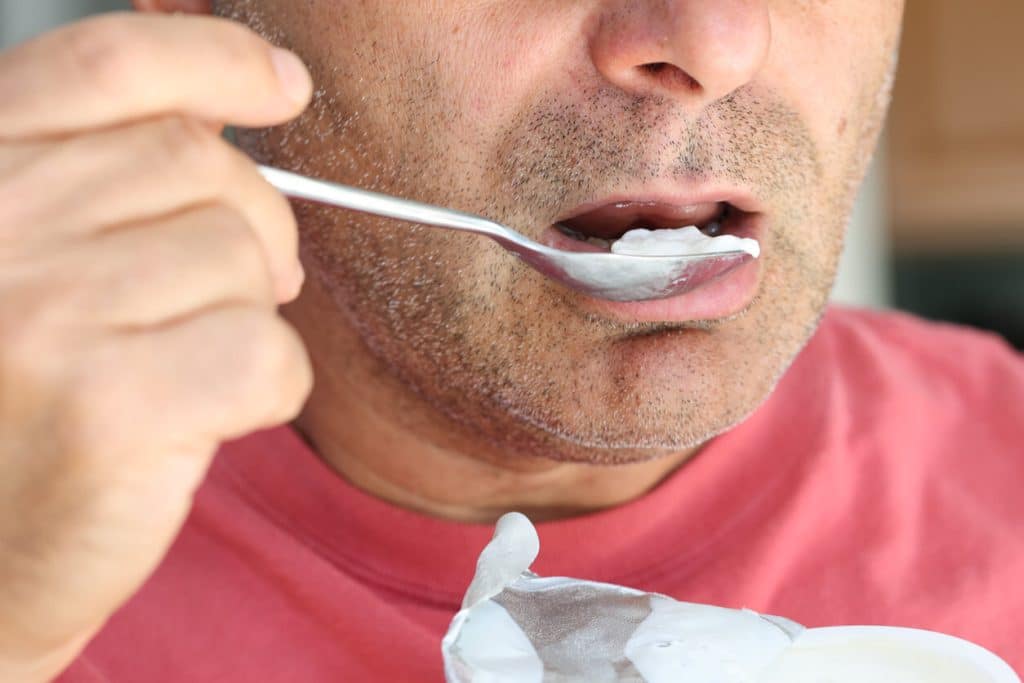
- Yogurt and cottage cheese
- Mashed potatoes or sweet potatoes
- Applesauce and pureed fruits
- Scrambled eggs
- Smooth soups and broths
- Well-cooked pasta or risotto
- Oatmeal and cream of wheat
- Pudding, ice cream, and gelatin
These foods share a few key traits: they’re gentle on sensitive areas, easy to swallow, and won’t disturb healing tissue. Our team can help you plan meals that fit your specific needs and dietary preferences.
Tasty Meal Ideas That Support Healing
Recovery doesn’t mean boring meals. Many patients are surprised by how creative you can get with soft food options. Try blending steamed vegetables into smooth purees, making fruit smoothies without seeds, or enjoying creamy hummus with soft pita. Avocado provides healthy fats and blends beautifully into smoothies or spreads. Soft tofu works well in soups or scrambled with eggs for extra protein. For something sweet, try mashed banana with a drizzle of honey, or blend frozen fruit into a thick, spoon-able smoothie bowl.
If you’re feeding a family member after surgery, think about meals that everyone can enjoy together with small modifications. Pasta with marinara sauce, chicken noodle soup, or mac and cheese all work well. Just make sure portions for the healing patient are extra soft and served at room temperature.
Practical Eating Tips for the First Few Days
How you eat matters just as much as what you eat. Use a small spoon to avoid stretching your mouth wide. Let hot foods cool to room temperature before eating, since heat can increase swelling and discomfort. Skip the straw, even for smoothies. The suction created by drinking through a straw can dislodge blood clots and cause complications like dry socket.
Avoid anything spicy, acidic, or overly salty during the first 48 hours. These ingredients can irritate surgical sites and slow healing. After each meal, rinse gently with warm salt water to keep the area clean without disturbing healing tissue. Don’t swish vigorously or spit forcefully.
Foods to Avoid Until You’re Fully Healed
Some foods should stay off your plate until your dentist gives you the all-clear. Hard foods like nuts, chips, and raw vegetables can cause pain or damage to healing tissue. Sticky foods like caramel or taffy can pull at stitches. Crunchy items like popcorn, crackers, and toast can leave sharp edges that irritate your mouth.
Tough meats require too much chewing and should wait until you’re fully recovered. Seeded breads, granola, and rice can leave small particles in surgical sites that are difficult to clean out. Even healthy foods like apples or carrots need to be avoided in their raw form until your mouth is ready. Our doctors will let you know when it’s safe to gradually reintroduce these textures.
When You Can Start Eating Normally Again
Most patients can begin adding slightly firmer foods back into their diet after the first week, but this varies based on the type of surgery and how well you’re healing. Start with soft-cooked vegetables, tender fish, or well-cooked pasta before moving on to harder textures. Listen to your body. If something causes discomfort, you’re not ready for it yet.
At your follow-up appointment, we’ll check your progress and give you personalized guidance on when to expand your diet. Some procedures require longer soft food periods than others. For complex extractions or oral surgery, you might need to stick with gentler foods for two weeks or more.
Getting Support Through Your Recovery
Recovery is easier when you have clear instructions and someone to call with questions. Our Rockingham office provides detailed post-operative care guidelines, and our team is available if you’re unsure about any aspect of your healing. We offer follow-up visits to monitor your progress and address concerns before they become problems. If you don’t have dental insurance, ask about our membership plan for affordable ongoing care.
Make Your Recovery as Smooth as Possible
Planning your soft food menu before surgery takes one worry off your plate during recovery. Stock your kitchen with easy options, prep a few meals in advance, and know that healing doesn’t last forever. Before long, you’ll be back to enjoying all your favorite foods without restriction.
Have questions about what to eat after your upcoming procedure? Contact us, and we’ll walk you through everything you need to know. At Massanutten Dental Team and Oral Surgery, we provide the guidance and care that makes recovery straightforward. Your comfort matters to us, from the first consultation through your final check-up and beyond.